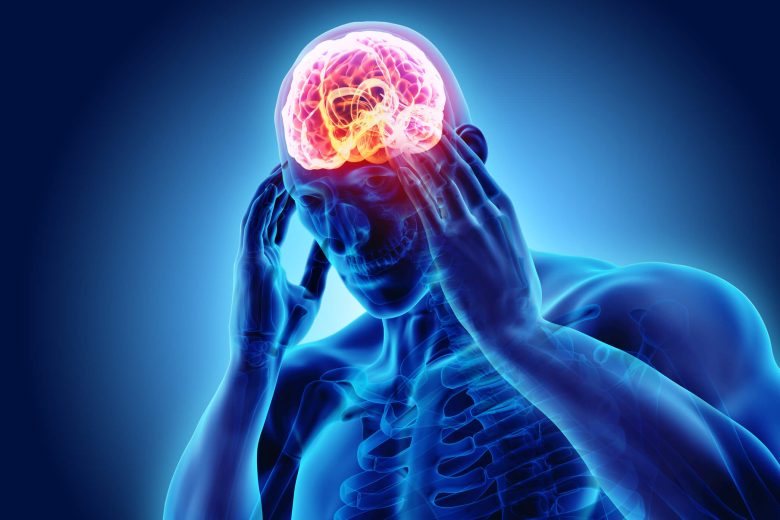
What Happens Inside the Body When Everyday Stress Builds Up
Stress is a natural part of life. Whether it comes from work responsibilities, personal commitments, or unexpected challenges, most people experience stress regularly. While short bursts of stress can sometimes help people stay alert and focused, long periods of unmanaged stress may affect both physical and mental well-being.
Understanding how the body responds to stress can help individuals develop healthier ways to manage it and maintain balance in their daily lives.
The Body’s Natural Stress Response
When the brain detects a stressful situation, it activates a system often referred to as the “fight-or-flight” response. This reaction is designed to prepare the body to respond quickly to challenges.
During this response, the body releases hormones such as adrenaline and cortisol. These hormones temporarily increase heart rate, sharpen attention, and provide a surge of energy. In short-term situations, this response can be helpful. For example, it may improve focus during an important task or help someone react quickly in an urgent situation.
However, when stress becomes constant, the body may remain in a prolonged state of alertness. Over time, this can place extra strain on several systems within the body.
Effects on Physical Health
Long-lasting stress can influence multiple aspects of physical health. For example, stress may affect sleep quality, energy levels, and appetite patterns. Some individuals may notice fatigue or difficulty concentrating when stress persists for long periods.
Stress may also influence muscle tension. Many people unconsciously tighten muscles during stressful moments, especially around the neck, shoulders, and back. When this tension continues day after day, it can lead to physical discomfort.
In addition, stress can influence daily behaviors that indirectly affect health. People under pressure might skip meals, reduce physical activity, or spend less time engaging in relaxing activities.
Emotional and Cognitive Effects
Stress does not only influence the body—it can also affect how people think and feel. High levels of stress may make it harder to focus, solve problems, or stay organized. Emotional reactions such as irritability or feeling overwhelmed may also become more common.
It is important to remember that these reactions are normal. Stress responses are part of the body’s natural protective system. However, learning to recognize these patterns can help individuals take steps toward restoring balance.
Why Awareness Matters
One of the most effective ways to manage stress is simply becoming more aware of it. Many people move quickly through their daily routines without noticing how stress is affecting their mood or physical state.
Paying attention to signals such as fatigue, irritability, or difficulty sleeping can provide useful clues that the body may need rest or relaxation.
This awareness allows people to make small adjustments to their habits, such as taking breaks, improving sleep routines, or incorporating movement into their day.
Supporting Long-Term Balance
Managing stress does not mean eliminating challenges from life. Instead, it involves developing habits that help the body return to a state of calm after stressful situations.
Activities such as walking outdoors, spending time with supportive friends or family, and practicing relaxation techniques can all contribute to a more balanced daily routine.
Over time, consistent self-care practices may help the body handle stress more effectively.
Final Thoughts
Stress is a normal part of the human experience, but understanding how it affects the body can make a meaningful difference. By recognizing the signs of stress and supporting the body with healthy habits, individuals can create a foundation for better physical and emotional well-being.
Building awareness and practicing balance in daily life are key steps toward maintaining overall wellness in a busy and demanding world.